Types of Love Spells: Attraction, Reconciliation, and Binding
Love spells are one of the most common forms of magical practice, spanning across cultures and historical periods. They are designed to influence emotions, relationships, and romantic outcomes. Among the vast spectrum of love spells, three major types stand out for their unique purposes and methodologies: attraction spells, reconciliation spells, and binding spells. Each carries its own intent, ethical considerations, and historical significance. This article explores these categories in depth, examining their origins, practices, and implications.
I invite you to read our offer https://magical-rituals.com/product/love-binding-spell-to-bring-your-partner-back/
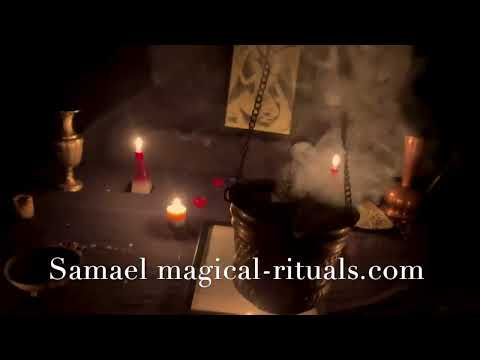
I recommend watching the video
The Essence of Love Magic
Love spells are rituals, prayers, or incantations aimed at influencing matters of the heart. They often involve a combination of physical tools—such as candles, herbs, or talismans—and symbolic gestures to manifest intent. The nature of love spells reflects the diverse ways people seek to navigate the complexities of love, desire, and human connection.
Attraction Spells
Purpose and Intent
Attraction spells are designed to draw love, affection, or admiration into one’s life. Unlike spells targeting specific individuals, they often cast a wider net, aiming to attract compatible romantic partners or enhance one’s personal magnetism.
Self-Love and Confidence Building
Many attraction spells focus on fostering self-love and confidence. The idea is that by enhancing one’s inner glow and self-esteem, they naturally become more attractive to others. These spells often include affirmations, visualization exercises, and tools like rose quartz or orange candles to symbolize positivity and charisma.
Historical Roots of Attraction Magic
Ancient Greece and Rome
In classical antiquity, attraction spells were linked to deities of love, such as Aphrodite in Greece and Venus in Rome. Offerings of flowers, perfumes, and sweet foods were made to gain the favor of these goddesses, who were believed to enhance the practitioner’s allure.
Folk Traditions
In European folk magic, simple charms like wearing specific herbs (e.g., basil or yarrow) or carrying a talisman were common methods to increase attractiveness. Many of these practices were passed down orally and varied regionally.
Modern Practices
Attraction spells today often incorporate the following elements:
- Visualization: Creating a mental image of one’s ideal partner or desired qualities in a relationship.
- Crystals and Herbs: Tools like lavender for calmness, cinnamon for passion, and rose quartz for love.
- Candle Magic: Lighting pink or red candles to symbolize love and romance.
Reconciliation Spells
Purpose and Intent
Reconciliation spells are aimed at mending broken relationships or resolving conflicts between romantic partners. They focus on fostering forgiveness, healing emotional wounds, and rekindling affection. Unlike attraction spells, reconciliation spells are often specific to a particular individual or relationship.
The Ethics of Reconciliation Spells
Consent and Free Will
Reconciliation spells often spark ethical debates. While their intent is generally to heal, there’s a risk of infringing on free will if the target of the spell is coerced into feeling something they no longer wish to feel. Modern practitioners emphasize that reconciliation spells should be used to create opportunities for mutual understanding, rather than force reconciliation.
Historical Use of Reconciliation Magic
Egyptian and Mesopotamian Practices
Ancient texts such as the Mesopotamian Clay Tablets and Egyptian Coffin Texts contained rituals for restoring harmony in relationships. These often invoked gods or spirits associated with love and protection.
Medieval Europe
In medieval Europe, reconciliation spells often involved creating poppets (effigies) of the estranged lovers and binding them together with thread to symbolize the rejoining of hearts. The use of honey and sugar was also common, symbolizing sweetness and harmony.
Modern Applications
Reconciliation spells in contemporary practice may include:
- Healing Energy Work: Using reiki or crystal healing to release negative energy between partners.
- Herbal and Aromatherapy: Herbs like rosemary and balm of Gilead are used to promote peace and understanding.
- Communication Rituals: Spells that encourage open, honest dialogue between estranged lovers.
Binding Spells
Purpose and Intent
Binding spells are among the most controversial forms of love magic. These spells are designed to create a strong, often unbreakable, connection between individuals. Binding spells are not necessarily romantic; they can also symbolize commitments of friendship, loyalty, or protection. However, in the context of love, they are often used to solidify a romantic bond.
Positive and Negative Uses
Binding spells can be used positively to enhance trust and mutual commitment between partners. However, they can also be misused to exert control or prevent a partner from leaving a relationship, raising significant ethical concerns.
Cultural and Historical Perspectives
Pagan Rituals
In Pagan traditions, binding spells were often associated with handfasting ceremonies—rituals symbolizing marital or romantic union. Handfasting typically involved physically binding the hands of two individuals with cords to represent their connection.
European Witchcraft
Binding spells in European witchcraft often involved knot magic. Practitioners would tie knots in a cord while reciting intentions, symbolizing the intertwining of two fates.
Modern Practices and Controversies
Cords, Knots, and Symbols
Modern binding spells often use cords, ribbons, or symbolic gestures like tying rings together. The act of binding represents the desire for unity and endurance in a relationship.
Ethical Dilemmas
The ethical implications of binding spells are hotly debated. Critics argue that these spells may interfere with the free will of individuals, making it essential for practitioners to seek mutual consent and clarify intentions before casting.
Tools and Techniques Common to All Love Spells
Universal Symbols in Love Magic
Despite their differences, attraction, reconciliation, and binding spells share common tools and symbols:
- Candles: Colors like pink (affection), red (passion), and white (purity) are prevalent.
- Crystals: Rose quartz, garnet, and amethyst are widely used for their associations with love and emotional healing.
- Herbs and Oils: Common ingredients include rose petals, lavender, cinnamon, and patchouli.
- Chants and Affirmations: Spoken or written words amplify intent and focus energy.
The Role of Intention
In all love spells, the practitioner’s intention is paramount. Love magic is not solely about ritualistic actions; it requires clarity, focus, and a deep understanding of one’s desires.
Conclusion: The Power and Responsibility of Love Spells
Attraction, reconciliation, and binding spells each serve unique purposes in the realm of love magic. While their methodologies and intentions differ, they all stem from the universal human desire for connection and intimacy. As tools of transformation, they hold great power—and with that power comes responsibility. Practitioners must navigate ethical considerations carefully, ensuring that their magic respects the autonomy and well-being of all involved.
Bibliography
- Betz, Hans Dieter. The Greek Magical Papyri in Translation, Including the Demotic Spells. University of Chicago Press, 1986.
- Faraone, Christopher A. Ancient Greek Love Magic. Harvard University Press, 1999.
- Hutton, Ronald. The Triumph of the Moon: A History of Modern Pagan Witchcraft. Oxford University Press, 1999.
- Ogden, Daniel. Magic, Witchcraft, and Ghosts in the Greek and Roman Worlds: A Sourcebook. Oxford University Press, 2002.
- Stratton, Kimberly B. Naming the Witch: Magic, Ideology, and Stereotype in the Ancient World. Columbia University Press, 2007.
- Walker, Barbara G. The Woman's Dictionary of Symbols and Sacred Objects. HarperOne, 1988.
- Grimassi, Raven. Italian Witchcraft: The Old Religion of Southern Europe. Llewellyn Publications, 2000.
- Starhawk. The Spiral Dance: A Rebirth of the Ancient Religion of the Great Goddess. HarperOne, 1979.


No comments:
Post a Comment