Top 5 Love Spells from Around the World
Love spells have long been part of human culture, reflecting our enduring fascination with love, connection, and romance. Across different civilizations, love magic has taken on unique forms, deeply rooted in cultural traditions and spiritual beliefs. This article explores five iconic love spells from around the world, shedding light on their history, methods, and significance. From the ancient rituals of Greece to modern Afro-Caribbean practices, these spells reveal the universality of love and the diverse ways humans seek to influence it.
I recommend the article https://magical-rituals.com/blog/2024/11/15/5-situations-in-which-you-can-use-a-love-magic/
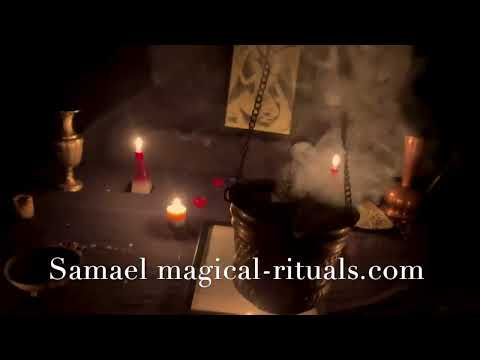
Feel free to watch the video
1. Greek Love Binding Spells
Origins and Context
Ancient Greece is renowned for its deep connection to love magic, often intertwined with mythology and the worship of deities like Aphrodite and Eros. One of the most famous types of Greek love spells was the binding spell (katadesmos), designed to tether the emotions or desires of another person to the practitioner.
The Ritual of Binding
Materials and Techniques
Greek binding spells often used curse tablets, known as defixiones. These were thin sheets of lead inscribed with the spell’s text and the name of the target. Practitioners would fold or pierce the tablet and bury it in places believed to have strong spiritual energy, such as gravesites or sanctuaries.
Invocation of Deities
These spells frequently invoked chthonic deities like Hecate or Persephone, appealing for their assistance in binding the emotions or actions of the desired individual. Offerings, such as honey or wine, were made to appease these powerful figures.
Ethical Considerations
Greek binding spells often sought control, which contrasts with modern attitudes emphasizing mutual consent. Despite this, they offer a fascinating glimpse into ancient perceptions of love and agency.
2. Hoodoo Honey Jar Spell (United States)
Origins and Background
Rooted in African spiritual traditions and adapted through cultural blending in the United States, Hoodoo incorporates elements of African, Native American, and European magic. The honey jar spell is one of its most beloved love spells, celebrated for its simplicity and effectiveness.
Method and Materials
Purpose
The honey jar spell is designed to "sweeten" someone’s feelings toward the practitioner, whether for romantic love, friendship, or reconciliation.
Steps
- Prepare the Jar: A small glass jar is filled with honey, symbolic of sweetness and attraction.
- Personal Items and Intentions: Items like the target’s name, hair, or written intentions are added.
- Candle Ritual: A candle, usually pink or red, is placed on top of the jar and burned while focusing on the desired outcome.
- Repetition: The spell requires regular reinforcement by lighting new candles and repeating affirmations.
Cultural Significance
The honey jar spell exemplifies the adaptability of Hoodoo, combining practicality with deep spiritual roots. It’s widely used today, reflecting its enduring appeal.
3. Japanese Omamori Amulet for Love
Cultural Context
In Japan, love magic is more subtle and often intertwined with Shinto and Buddhist practices. One of the most popular methods involves omamori, small amulets sold at shrines to bring blessings, including luck in love.
The Role of Omamori
Construction
Omamori are typically made of silk and contain a piece of paper or wood inscribed with blessings from the shrine. They are personalized for specific purposes, such as love, academic success, or health.
Using Omamori for Love
- Purchase at a Shrine: Individuals seeking love can purchase an omamori dedicated to romance from a shrine known for its connections to love deities, such as the famous Jishu Shrine in Kyoto.
- Keep Close: The amulet is carried in a purse, wallet, or pocket, believed to attract romantic energy and blessings.
Symbolism
Unlike direct manipulation spells, omamori operate as protective charms, fostering positive energy rather than altering someone else’s emotions. This reflects Japanese cultural values of harmony and subtlety.
4. Afro-Caribbean Love Mojo Bag
Historical Roots
Mojo bags, also known as gris-gris or wanga, are central to African diasporic magical traditions, including Vodou and Santería. These small pouches are filled with spiritually charged items and used for various purposes, including love.
Crafting a Love Mojo Bag
Ingredients
Typical components include:
- Herbs: Rose petals for love, cinnamon for passion.
- Stones: Rose quartz or garnet.
- Personal Items: Hair, photographs, or written names.
Ritual Process
- Consecration: The bag is created during a ritual, often involving prayers or invocations to spirits or ancestors.
- Carrying the Mojo Bag: It is worn close to the body, such as in a pocket or around the neck, to maintain its connection to the practitioner.
Cultural Importance
The mojo bag embodies the syncretic nature of Afro-Caribbean traditions, blending African spiritual practices with Catholic influences. Its widespread use today highlights its versatility and effectiveness in love magic.
5. Indian Vashikaran Mantra
Ancient Origins
Vashikaran, a Sanskrit term meaning "to control" or "to attract," is a form of Indian mystical practice rooted in Vedic traditions. These spells are often performed through mantras—sacred chants believed to harness cosmic energy.
Vashikaran Love Spells
The Role of Mantras
Mantras are central to Vashikaran rituals. Specific phrases, chanted in Sanskrit, are used to align the practitioner’s energy with their desired outcome.
Ritual Practices
- Selection of the Mantra: A mantra tailored to love or attraction is chosen, such as one invoking Kamadeva, the Hindu god of love.
- Favorable Timing: Rituals are performed during auspicious times determined by astrology.
- Meditation and Focus: The practitioner meditates on their intent, chanting the mantra repeatedly while visualizing the desired result.
Philosophical Underpinnings
Vashikaran emphasizes the balance of energy and intention, reflecting the broader Hindu worldview of interconnectedness. While some criticize it for its potential to manipulate, practitioners often view it as a tool for personal and spiritual alignment.
Common Elements in Love Spells
Symbolism and Tools
Across cultures, certain symbols and tools recur in love spells:
- Colors: Pink and red dominate, symbolizing love and passion.
- Natural Elements: Flowers, herbs, and stones are universally associated with romance.
- Rituals and Focus: Concentration, visualization, and repetition are key components.
Conclusion: The Universality of Love Magic
The diversity of love spells—from Greek binding rituals to Japanese omamori—highlights the universal human desire to connect with others. While their methods vary, the underlying themes of intention, symbolism, and cultural context remain consistent. Whether ancient or modern, love spells continue to captivate us, offering both practical and spiritual pathways to navigate the mysteries of the heart.
Bibliography
- Betz, Hans Dieter. The Greek Magical Papyri in Translation, Including the Demotic Spells. University of Chicago Press, 1986.
- Hutton, Ronald. The Triumph of the Moon: A History of Modern Pagan Witchcraft. Oxford University Press, 1999.
- Grimassi, Raven. Italian Witchcraft: The Old Religion of Southern Europe. Llewellyn Publications, 2000.
- Walker, Barbara G. The Woman's Dictionary of Symbols and Sacred Objects. HarperOne, 1988.
- Starhawk. The Spiral Dance: A Rebirth of the Ancient Religion of the Great Goddess. HarperOne, 1979.
- Ogden, Daniel. Magic, Witchcraft, and Ghosts in the Greek and Roman Worlds: A Sourcebook. Oxford University Press, 2002.
- Choudhury, Narendra Nath. Mantras and Rituals in Hindu Traditions. Motilal Banarsidass, 2005.
- Yronwode, Catherine. Hoodoo Herb and Root Magic: A Materia Magica of African-American Conjure. Lucky Mojo Curio Co., 2002.


No comments:
Post a Comment